
MANATEE COUNTY, Fla. — In a unanimous display of bipartisan resolve, the Florida House of Representatives has passed Senate Bill 302, a measure that could effectively derail plans for a controversial new cruise port in Manatee County. The legislation, which bolsters protections for the Terra Ceia Aquatic Preserve, restricts large- scale dredging and filling operations essential to the project’s development. As the bill now awaits the signature of Gov. Ron DeSantis, environmental advocates are hailing it as a victory for Tampa Bay’s fragile ecosystems, while developers vow to continue pushing their vision of economic revitalization.
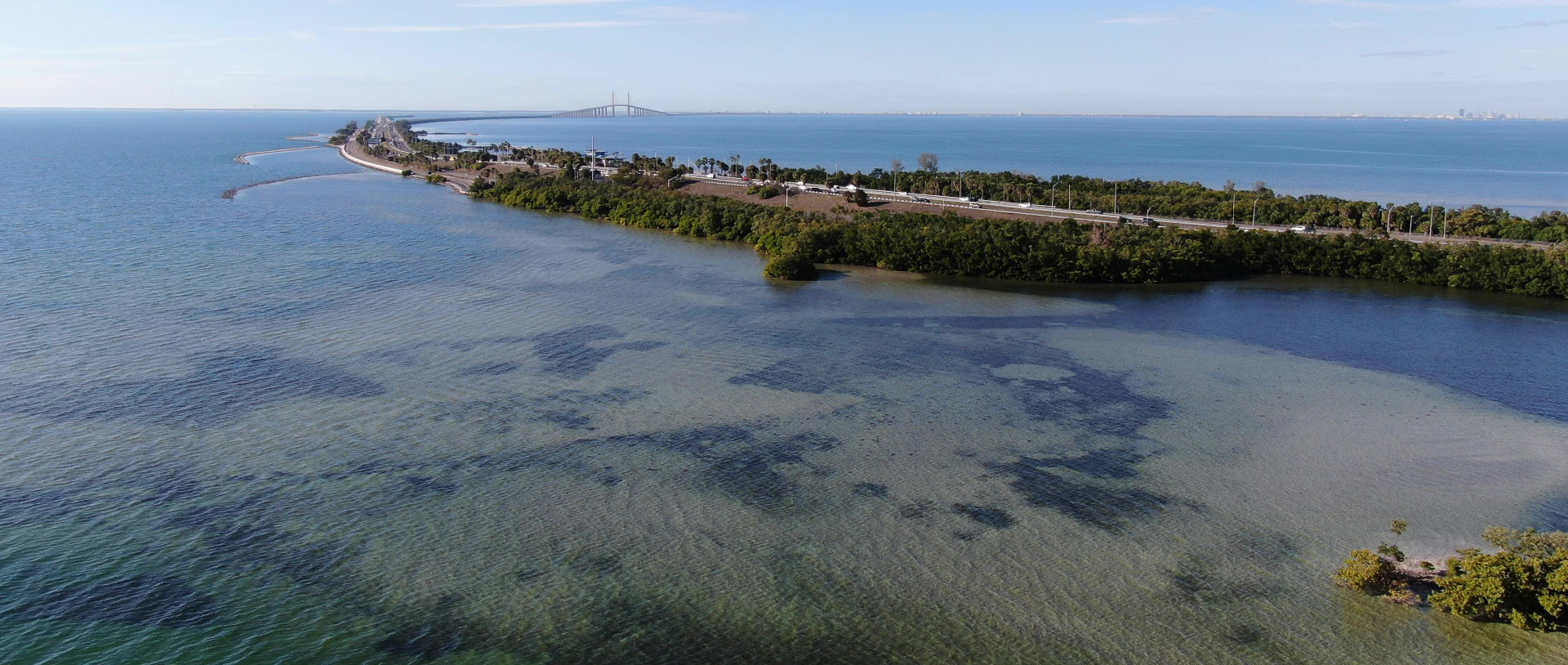
The proposed cruise terminal, spearheaded by SSA Marine and private landowners, has been a flashpoint in local politics since its unveiling last year. Envisioned as a multi-berth facility on the 328-acre Knott-Cowen tract near the iconic Sunshine Skyway Bridge, the port would greatly impact the adjacent 710-acre Rattlesnake Key. Proponents argue it would transform Tampa into a hub for mega-ships—vessels too large for the current Port Tampa Bay facilities, which are limited by shallow waters and bridge clearances. These massive liners, often exceeding 1,000 feet in length and requiring drafts of 25 to 50 feet, could bring unprecedented tourism revenue, with estimates suggesting thousands of jobs and millions in annual economic impact for Manatee County and the broader region. Yet, the project’s path forward has been mired in opposition, primarily over its potential environmental toll. The Terra Ceia Aquatic Preserve, a 2,000-acre expanse of mangrove forests, seagrass beds, and diverse saltwater and freshwater habitats, lies directly in the crosshairs.
Designated as a state-protected area in 1989, Terra Ceia is home to endangered species like manatees, sea turtles, and a variety of wading birds. Critics warn that the extensive dredging needed to accommodate cruise ships would devastate these ecosystems, stirring up sediments that could smother seagrass meadows—critical nurseries for marine life—and erode mangrove shorelines that act as natural barriers against storms and erosion. The legislative push to block the port gained momentum when Bradenton Republican Sen. Jim Boyd introduced an amendment to SB 302, originally sponsored by Miami Republican Sen. Ileana Garcia. The bill’s core focuses on promoting “nature-based” coastal resiliency strategies statewide, such as mangrove planting, oyster reef restoration, and dune rehabilitation. These methods, often combined with traditional “gray” infrastructure like seawalls, aim to fortify Florida’s vulnerable coastlines against rising seas and intensifying hurricanes. By 2027, the Department of Environmental Protection (DEP) must establish clearer standards for these approaches, while also launching public education campaigns on their benefits. Boyd’s amendment specifically targets Terra Ceia, prohibiting dredging or filling of submerged lands except in narrowly defined cases: public navigation projects, health- related needs (like removing stagnant water), or environmental restoration efforts that enhance the preserve.
Even boating infrastructure, such as marinas or piers, is allowed only if it doesn’t degrade water quality. This language mirrors protections recently refined for Miami’s Biscayne Bay Aquatic Preserve, allowing for “living shorelines” and vegetation projects that bolster resiliency without harm. “I think they’re a great way to vacation,” Boyd said of cruise ships during Senate debates. “We just didn’t think Terra Ceia Bay and that particular part in Terra Ceia Bay was the right spot for a mega cruise ship terminal.” He expressed confidence in the amendment’s legal standing, noting that legislative staff and experts had vetted it to ensure robust protections. Boyd, a longtime advocate for Manatee County’s natural resources, collaborated closely with fellow Bradenton Republican Rep. Will Robinson, who presented the bill in the House. Robinson, echoing Boyd’s sentiments, praised the measure on the House floor. “It is one of the most pristine areas in our state, and we don’t need mega cruise ships in this area,” he declared. “Your bill will do a great deal to stop that from occurring in one of the most important environmental areas in our state. Thank you for agreeing to put that language in—it’s a wonderful bill, and maybe one of the more important environmental bills that we vote on this session.” The House’s 109-0 approval on March 9 followed the Senate’s unanimous passage last month, underscoring rare cross- aisle agreement on environmental issues in a state often divided on development. Local residents and stakeholders have reacted with cautious optimism with mixed emotions on if Governor DeSantis will sign the bill promptly.
On the other side, SSA Marine and the project’s backers remain undeterred. A company spokesperson released a statement following the House vote: “SSA Marine looks forward to continuing to share our vision for meaningful environmental conservation, local job creation, and long-term economic growth in Manatee County. We remain committed to working constructively and maintaining an open dialogue with state and local leaders, community stakeholders, and regional partners, to ensure this project meets the economic and ecological needs of the region.” The developers have positioned the port as a balanced initiative, incorporating conservation elements like habitat restoration on Rattlesnake Key. However, with dredging now severely restricted, experts say the project may need significant redesign or relocation—potentially delaying it indefinitely or scuttling it altogether. If DeSantis signs SB 302, it would take effect July 1, 2026, giving DEP time to implement the new standards.